Even in Pennsylvania’s temperate climate, water conservation has become a popular topic for communities. Not only are water-conserving landscapes more eco-friendly, they can also save your community money.
Your Board may be considering moving from traditional green lawns and high-maintenance plants to a drought-tolerant design. However, the transition to a drought-tolerant approach may seem overwhelming.
Here, we discuss why this move is crucial for your community and outline the steps to ensure a stress-free landscape transition.
Why Should Your Community Consider Drought-Tolerant Landscaping?
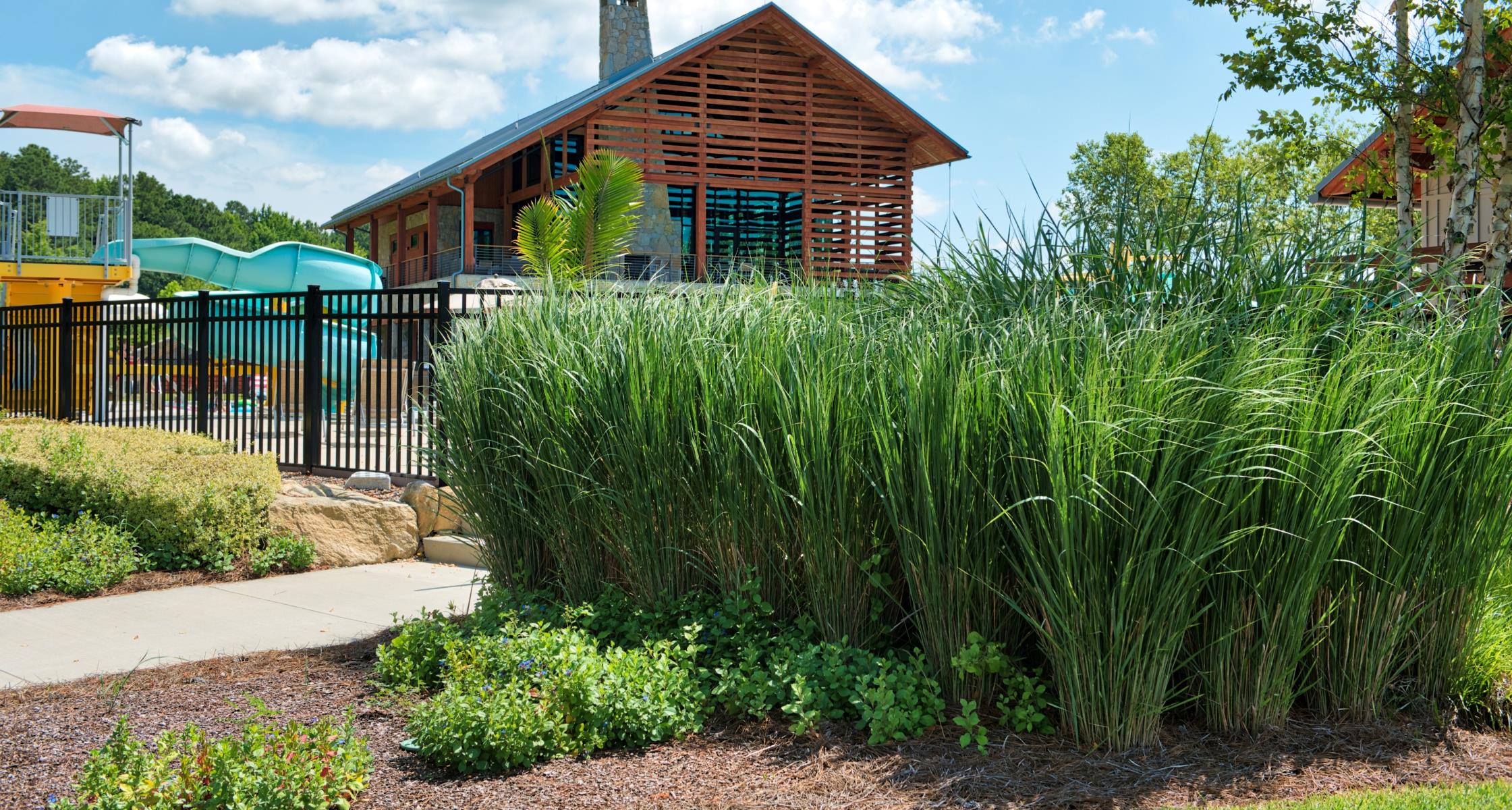
Drought-tolerant landscaping is sometimes called xeriscaping. It is a strategy that minimizes water use while maintaining curb appeal throughout your community.
Xeriscaping offers numerous benefits, including the following.
- Water conservation: Xeriscaping reduces dependence on your irrigation systems and your water needs overall.
- Lower maintenance costs: When you use native and drought-tolerant plants in your landscape, you will also need to prune, mow, and fertilize less.
- Improved sustainability: Less fertilizers mean reduced chemical runoff and better biodiversity and soil health throughout the community.
- Enhanced property values: Modern, eco-friendly landscapes may appeal to today’s environmentally conscious homeowners, thus increasing the desirability of your community.
How to Transition to Drought-Tolerant Landscaping
Switching to drought-tolerant landscaping does not have to be a stressful transition. With the right planning, coordination, and communication, your community association Board will manage the process effectively and efficiently.
Just follow these tips.
- Conduct a landscape audit.
You will want to begin your landscape transition with a landscape audit. This process will tell you exactly how much water you use and where it is going. The audit may even help you find the plants that are not well-suited to your climate - Consult with landscape professionals.
Experienced landscape architects can be instrumental in helping your community transition to drought-tolerant plants. Make sure you hire contractors who are local to your area, as they can help your Board select the best native plants for your micro-climate. These professionals can also create efficient irrigation plans and develop a phased transition schedule, ensuring a smooth process. - Set a realistic budget and timeline.
Changing your community landscaping can be costly, especially if you implement the changes all at once. Instead, consider a phased approach by beginning with high-visibility areas, such as entrances or clubhouses. Then move forward with the transition from there. - Educate homeowners.
As the Board begins to change the landscaping, homeowners may have questions about the new look or how it will affect their property values. You may consider hosting an information meeting or distributing information about the transition to homeowners to build both understanding and support. - Partner with a professional community association management company.
A professional community association management company, such as ACRI Community Realty, can help your Board develop a sustainable and aesthetic drought-resistant landscaping plan tailored to your community.
Whether your Board is just beginning to explore the possibility of a landscaping transition or is ready to implement a full change, ACRI can help you every step of the way. Contact us today to learn more.